

Archives

Canon Law and Institutes of Consecrated Life

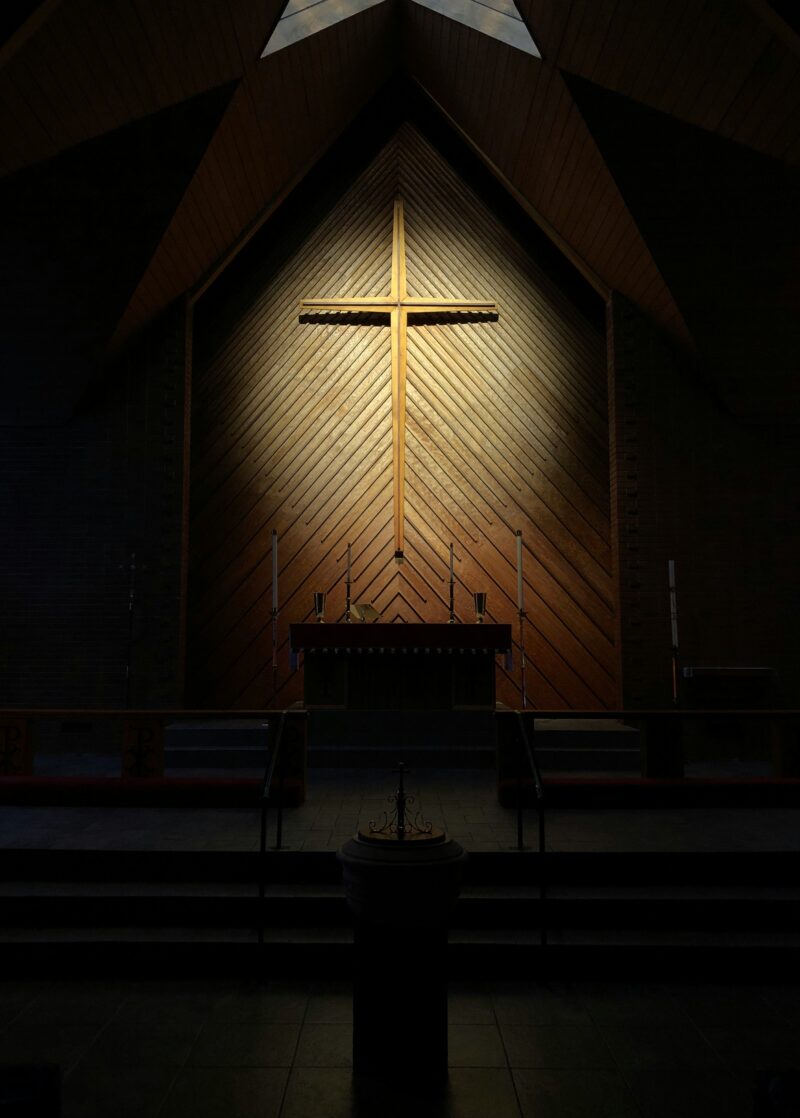
This course is designed to support consecrated women and men in deepening their understanding of Canon Law within the context of Consecrated Life. Through comprehensive study and reflection, participants will explore the teachings of Canon Law as they pertain to consecrated life, enabling them to analyse, synthesise, and apply these principles in various circumstances.

Consecrated men and women, as well as members of societies of apostolic life.

Target Audience Age: 18+

The course will take place on Saturdays from 8:30am – 1:00pm at Ta’ Mlit Pastoral Centre, Mosta

DatesSession
3rd May 20251. An Introduction to and the History of Canon Law and Consecrated Life
2. The Study of the Different Types of ‘Religious’ Forms of Life
10th May 20253. Church and Religious Hierarchy
4. Relationship with Bishops and Clergy
17th May 20255. Conference of Major Superiors
6. Governance and Administration in Consecrated Life
31st May 20257. Houses: Erection and Suppression
8. Formation: Initial and Ongoing
14th June 20259. Rights and Duties of Institutes and Members & Separation of Members
10. Charisms and Apostolate

This course has three exit certificate options:

1. Certificates of Attendance

The student will receive a Certificate of Attendance when attending a minimum of 80% of all contact hours for this course.

2. Certificate of Participation

The student will receive a Certificate of Participation when attending a minimum of 80% of all contact hours for this course and successfully complete and pass from short multiple-choice assessment.

3. Certificate of Achievement

To obtain a Certificate of Achievement, students must:

  • attend a minimum of 80% of all contact hours
  • successfully complete and pass from short multiple-choice assessment
  • successfully complete and pass from a written assignment

Language: Applicants must be proficient in English.

Digital: Applicants must be digitally literate particularly, in use of office suites and internet access.

Award in Spiritual Dimension in Elderly Care for General Care Givers

  Little Sisters of the Poor, Ħamrun
MQF

The Pastoral Formation Institute is licensed by MFHEA
(Licence #: 2013-FHI-023) as a Further and Higher Educational Institute. The Award in Spiritual Dimension in Elderly Care for Healthcare Workers is accredited at EQF/MQF Level 4, as Further Education Programme.

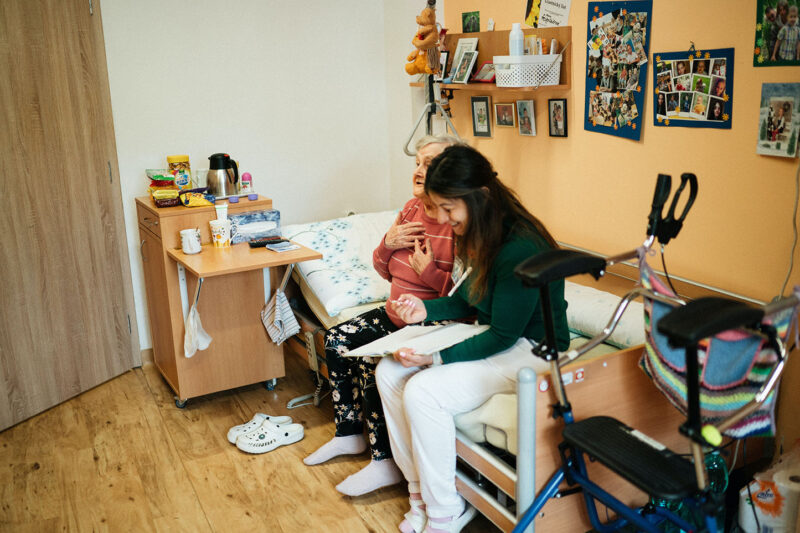
Recognising that spirituality plays a vital role in the overall well-being of older adults, this programme integrates spiritual care within the broader context of holistic caregiving. Designed for healthcare support workers and personal caregivers, it equips participants with the knowledge, skills, and resources needed to address the spiritual needs of those they care for.

People working with the elderly e.g. carers and general staff with an MQF level 3 qualification or higher.

This course consists of 11 sessions: 10 lectures and an examination session.

Session 1: Defining Spirituality and Spiritual Care in Healthcare – Competencies in Spiritual Care

Spirituality and spiritual care in health relate to how patients and health professionals seek and express meaning, purpose, connection, value, or transcendence in the context of illness and well-being. A growing body of evidence indicates that spirituality is linked to better health outcomes, patient satisfaction, medical decision-making, and quality of life.

This session will introduce various definitions of spirituality and spiritual care, along with the multidimensional nature of the spiritual field.

Session 2: Interpersonal and Intrapersonal Spirituality

Intraperonal Spirituality focuses on personal spirituality, as providing spiritual care requires healthcare workers to be spiritually grounded themselves. Students will be encouraged to recognise the importance of self-reflection and self-awareness in enhancing their personal growth and effectiveness as providers of spiritual care.

Interpersonal Spirituality involves building relationships with others through effective communication skills. It acknowledges an individual’s unique spiritual and cultural worldviews, fostering feelings of companionship and compassionate care.

Session 3: Spiritual Assessment and Evaluation of Care

In this session, learners are introduced to both formal and informal approaches for assessing patients’ spiritual needs, planning appropriate interventions based on available resources, and evaluating whether these needs have been met.

Session 4: Loss, Grief, and Compassion in the Elderly

Learners will explore the inevitable experiences of grief and loss, as well as feelings of isolation in the elderly. Gaining an understanding of the grief process, as described by Elisabeth Kübler-Ross, will help healthcare workers prevent spiritual distress and provide compassionate care for older adults.

Session 5: Spiritual Care in Elderly Rehabilitation

This session will explore the specific spiritual needs of elderly individuals in rehabilitation. It will focus on how healthcare workers can create opportunities for them to engage in creative activities and better confront their feelings of suffering and solitude.

Session 6: Spiritual Care and Mental Health

This session will introduce learners to the various mental health issues that elderly individuals may face and equip healthcare workers with the skills needed to manage and care for them effectively.

Session 7: Spiritual Care in Dementia

This session will introduce learners to dementia in the elderly, providing guidance on managing their care and equipping family members with essential skills to better understand and support their loved ones.

Session 8: The Role of Religion in Spiritual Care for the Elderly

This session will focus on the role of religiosity as an integral aspect of spiritual care.

Session 9: The Sacraments in Different Religions and Spirituality

Learners will explore religious practices across various denominations within society.

Session 10: Case Scenarios in the Spiritual Dimension of Elderly Care

This session will present various case scenarios to assess and evaluate learners’ knowledge, skills, and attitudes acquired throughout the programme, enabling them to apply these effectively when caring for the elderly.

The course will be held in the following dates from 9:30am – 11:30am at Little Sisters of the Poor, Ħamrun

DateSession
11th March 2025Defining ‘Spirituality’ and ‘Spiritual Care’ in Healthcare
Competencies in spiritual care
17th March 2025Interpersonal and intrapersonal spirituality
25th March 2025Spiritual assessment and evaluation of care
1st April 2025Loss, grief and compassion in the elderly
8th April 2025Spiritual care in the rehabilitation of the elderly
29th April 2025Spiritual care and mental health
6th May 2025Spiritual care in dementia
13th May 2025The role of religion in spiritual care for the elderly
20th May 2025The sacraments in different religions and spirituality
27th May 2025Case scenarios in the Spiritual Dimension of Elderly Care
10th June 2025Examination*

*Examination session will take place from 9:30am – 11:00am

This course has one exit certificate option: 

Certificate of Achievement 

A Certificate of Achievement is awarded to students who successfully concluded the course, that is;

  • attend a minimum of 80% of all contact hours
  • complete and pass from written examination

Click here to view the PFI’s Grading System

EQF/MQF Level: Level 4

Accreditation Category: Further Education Programme

Total ECTS: 4 ECTS

Award Institution: Pastoral Formation Institute

MQF

The Pastoral Formation Institute is licensed by MFHEA
(Licence #: 2013-FHI-023) as a Further and Higher Educational Institute. The Award in Spiritual Dimension in Elderly Care for Healthcare Workers is accredited at EQF/MQF Level 4, as Further Education Programme.

Qualifications: Applicants must possess a minimum of an MQF/EQF Level 3 or higher qualification. Kindly submit a copy of your highest qualification in the application form below.

Language: Applicants must have a basic understanding of Maltese and be proficient in English.

Digital: Applicants must be proficient in accessing and using the internet and office software suites.


For courses offered in face-to-face learning and blended learning, applicants must reside in the Maltese Islands and provide their Maltese address in their application form.

For further information regarding visa requirements, please refer to Identity Malta’s visa requirements for third-country nationals.

Introduction to Basic Themes in Liturgy for Daughters of the Sacred Heart

  DSH Convent, Ħamrun

This course introduces participants to the sacred liturgy, the source and summit of the Church’s life. It begins with a fundamental exploration of liturgy, followed by an overview of the liturgical year. The course then examines the celebration of the Holy Eucharist and its profound significance. Finally, it explores the practical application of living the liturgy in daily life, fostering a deeper connection between faith and practice.

Daughters of the Sacred Heart novices and postulants

Target Audience Age: 18+

The course will take place on Wednesdays from 9:30am – 10:30am

DateSession
23rd April 2025What is the Liturgy?
30th April 2025The Liturgical Year 1
7th May 2025The Liturgical Year 2
14th May 2025Walk-through of the Mass
21st May 2025Living the Mass

This course has three exit certificate options:

  1. Certificate of Attendance

To obtain a Certificate of Attendance, students must 80% of course contact hours. 

2. Certificate of Participation

To obtain a Certificate of Participation, students must attend 80% of course contact hours and pass the short multiple-choice online exam. 

3. Certificate of Achievement 

To obtain a Certificate of Achievement, students must: 

  • attend 80% of course contact hours;  
  • successfully complete a written assignment

Language: Participants must have a primary level understanding of Maltese and English.

Digital: Participants must know how to access the internet and use office suites.

Il-Lingwaġġ Simboliku fil-Quddiesa – Parroċċa Burmarrad

  Parroċċa Burmarrad

Il-Papa Franġisku, aktar minn darba tkellem fuq il-ħtieġa tal-bniedem tal-lum li jifforma ruħu għall-għarfien simboliku. Dan mhux meħtieġ tant biex in-Nisrani jifhem b’mod razzjonali t-tifsira tas-simboli jew ikollu għarfien tat-twemmin tal-Knisja, imma biex iħalli l-ġrajja simbolika ssir f’ħajtu esperjenza vitali. Sabiex il-bniedem jerġa’ jiskopri lilu nnifsu f’relazzjoni ma’ Alla-Trinità jeħtieġlu jerġa’ jitgħallem il-lingwaġġ simboliku li Alla nnifsu għażel li juża biex jirrivela lilu nnifsu lid-dinja.

L-għan ta’ dawn is-sessjonijiet huwa li nifhmu kif iċ-ċelebrazzjoni tal-Quddiesa, permezz tal-lingwaġġ tas-simboli, tifforma l-umanità tagħna u tressaqna lejn Alla bħala komunità li temmen bl-istess mod kif l-Insara tal-ewwel sekli kienu ffurmati permezz tal-katekeżi mistagoġika biex jidħlu fil-Misteru ta’ Kristu.

Parruċċani ta’ Burmarrad u Parroċċi tal-viċin

Target Audience Age: 16+

Kull nhar ta’ Tnejn mis-7:30pm sad-8:45pm fiċ-Ċentru Parrokkjali, Burmarrad

DataTema/i
28 ta’ April 2025Introduzzjoni – X’inhu simbolu?
5 ta’ Mejju 2025Is-sensi – Ġisem li Jiċċelebra
12 ta’ Mejju 2025Kliem, Kant u Silenzju – Tifsira ta’ Siltiet mir-Rit tal-Quddiesa
19 ta’ Mejju 2025It-Tmien Jum – L-Ewkaristija tal-Ħadd

Dan il-kors għandu żewġ tipi ta’ ċertifikati:

1. Ċertifikat ta’ Attendenza

Sabiex jinkiseb Ċertifikat ta’ Attendenza, l-istudenti huma meħtieġa jattendu 80% tas-sessjonijiet tal-kors.

2. Ċertifikat ta’ Kisba

Sabiex jinkiseb Ċertifikat ta’ Kisba, l-istudenti huma meħtieġa jattendu 80% tas-sessjonijiet tal-kors u jagħmlu assignment.

Lingwa: L-applikanti għandhom ikollom fehma tal-Malti u jkunu fluwenti fl-Ingliż.

Teknoloġija diġitali: L-applikanti huma meħtieġa li jkunu fluwenti fl-użu tad-dinja diġitali, inkluż li jkunu jafu kif jaċċessaw l-internet u jużaw office suites bħal Microsoft Word.

Emotional Support In The Community: Basic Skills for Diakonia Pastoral Workers

  Marsaskala Parish Hall

The aim of this course is to empower individuals without academic backgrounds in psychology, such as pastoral workers, volunteers, and others interested in enhancing their fundamental knowledge, skills, and attitudes for interacting effectively with parishioners or others. This course introduces participants to helping skills, theories, and approaches.

Through study and discussion, students gain awareness of tools that assist them in their work with people from diverse cultural and social backgrounds. The course provides an opportunity to reflect on methods used in their work and relationships and evaluate their effectiveness.

By the end of this course, the participant will be able to:

  • Understand the basic theories and skills of helping.
  • Know how to listen and respond appropriately.
  • Provide emotional and spiritual support.
  • Identify when to refer someone to professional help.

Diakonia pastoral workers

Target Audience Age: 18+

In this session, participants will explore pastoral work’s helping skills, including active listening, providing support, and validating feelings.

In this session, participants will discuss the crucial skill of empathy in assisting others. Participants will have the opportunity to practice this skill during the session. Additionally, participants will thoroughly explore the practice of maintaining boundaries, as clear and established limits in our work contribute to safe and effective connections.

In this session, participants will cultivate self-awareness; they will be prompted to reflect on and acknowledge their strengths, challenges, beliefs, thoughts, and emotions.

In this session, participants will explore their own spiritual journey and recognize its manifestations in their personal lives and within the community. It will delve into cultural diversity, other religious denominations, and spiritual practices within the parish, examining their impact on individual and community life. Additionally, the session will address spiritual accompaniment and religious practices, differentiating between them and exploring their potential synergy.

In this session, participants will learn when to refer individuals to professional help, understand the significance of confidentiality in pastoral work, and recognize the boundaries of confidentiality.

The course will take place on Mondays from 6:15pm to 8:15pm

DateSession
28th April 2025Learning how to listen, contain and validate feelings
5th May 2025Learning how to empathise while keeping healthy boundaries
12th May 2025Learning how to support others emotionally as a pastoral worker/non-professional
19th May 2025How to support others spiritually as a pastoral worker/non-professional
26th May 2025Learning when, where and how to refer someone to professional help

This course has three exit certificate options:

  1. Certificate of Attendance

To obtain a Certificate of Attendance, students must 80% of course contact hours. 

2. Certificate of Participation

To obtain a Certificate of Participation, students must attend 80% of course contact hours and pass the short multiple-choice online exam. 

3. Certificate of Achievement 

To obtain a Certificate of Achievement, students must: 

  • attend 80% of course contact hours;  
  • pass the short multiple-choice online exam; 
  • and successfully complete a Case Study Analysis;

Every application will be considered on its individual merits. The Pastoral Formation Institute accepts a wide range of qualifications, and we always try to judge applications on the basis of academic potential. We do consider a very wide range of academic, vocational, and professional qualifications, as well as work and other appropriate experiences and skills.

Language: Participants must have a primary level understanding of Maltese and English.

Digital: Participants must know how to access the internet and use office suites.

Getting to Know Bible as a Parent for Ta’ Mlit Pastoral Zone

This toolkit for parents consists of a series of pre-recorded sessions designed to assist parents whose children are attending catechism classes. It helps them to better understand the Bible, grasp basic themes related to the Holy Scriptures, learn how to pray, and pass on the faith with the help of the Bible, while also exploring the central role of the Word of God in the Church’s liturgy. Participants will also be provided with suggestions for additional resources.

Parents/guardians whose children are attending catechism classes at Ta’ Mlit Pastoral Zone

Target Audience Age: 18+

This toolkit consists of four (4) pre-recorded lectures that can be watched on the Moodle platform at a time and pace of your choosing. After viewing the pre-recorded lectures, a practical seminar will take place.

Date and TimeSessionMode of DeliveryVenue
Introduction – What is the Bible?Pre-Recorded Lecture
Transmitting the Faith as a ParentPre-Recorded Lecture
How to Pray Using the Bible with Your ChildrenPre-Recorded Lecture
The Central Place of Holy Scripture in the LiturgyPre-Recorded Lecture

Introduction to the Ministry of the Word for Attard Parish

Photo credit: Archdiocese of Malta – Mr Ian Noel Pace

This course is designed for individuals serving as lectors in their parishes or churches, equipping them to be today’s prophets who proclaim God’s Word with reverence and understanding. It begins with an introduction to the Holy Scriptures, offering a comprehensive overview. Participants will learn to identify different types of texts, such as letters, commands, and narratives, and how to effectively communicate these in their ministry.

The course also explores the use of the Lectionary, deepening participants’ understanding of its structure and purpose in liturgical settings. Lectors will receive guidance on praying with the Holy Scriptures, enriching their spiritual lives and enhancing their ability to proclaim the Word.

Additionally, the course includes training in public speaking, enabling participants to deliver Scripture readings with confidence, clarity, and conviction.

Lectors who serve in Attard parish

Target Audience Age: 18+

This course consists of four (4) pre-recorded lectures that can be watched on the Moodle platform at a time and pace of your choosing. After viewing the pre-recorded lectures, a practical in-person seminar will take place.

Date and TimeSessionMode of DeliveryVenue
Introduction to the Holy ScripturesPre-Recorded Lecture
Isaiah 55, 10-11Pre-Recorded Lecture
The Bible as a means of PrayerPre-Recorded Lecture
Public speaking skillsPre-Recorded Lecture
24th February 2025 6:30pm – 8:30pmSeminar – The Centrality of the Word of God in the LiturgyIn-personAttard Parish Centre

If you are not conversant with the use of computers, Attard Parish will hold in-person sessions to watch the pre-recorded videos together as per below schedule. Kindly indicate this in the delivery preference section of the application form below.

Date and TimeSessionMode of DeliveryVenue
29th January 2025
7:00pm – 8:15pm
Introduction to the Holy ScripturesWatch pre-recorded lecture in-personAttard Parish Centre
5th February 2025
7:00pm – 8:15pm
Isaiah 55, 10-11Watch pre-recorded lecture in-personAttard Parish Centre
19th February 2025
7:00pm – 8:15pm
The Bible as a means of Prayer
Public speaking skills
Watch pre-recorded lecture in-personAttard Parish Centre
24th February 2025 6:30pm – 8:30pmSeminar – The Centrality of the Word of God in the LiturgyIn-personAttard Parish Centre

Getting to Know Bible as a Parent for Attard Parish

This toolkit for parents consists of a series of pre-recorded sessions designed to assist parents whose children are attending catechism classes. It helps them to better understand the Bible, grasp basic themes related to the Holy Scriptures, learn how to pray, and pass on the faith with the help of the Bible, while also exploring the central role of the Word of God in the Church’s liturgy. Participants will also be provided with suggestions for additional resources.

Attard parents whose children are attending catechism classes

Target Audience Age: 18+

This toolkit consists of four (4) pre-recorded lectures that can be watched on the Moodle platform at a time and pace of your choosing. After viewing the pre-recorded lectures, a practical seminar will take place.

Date and TimeSessionMode of DeliveryVenue
Introduction – What is the Bible?Pre-Recorded Lecture
Transmitting the Faith as a ParentPre-Recorded Lecture
How to Pray Using the Bible with Your ChildrenPre-Recorded Lecture
The Central Place of Holy Scripture in the LiturgyPre-Recorded Lecture

The Sacrament of Baptism for Attard Parish

This course is aimed at parents who choose to baptize their child. They will be invited to follow this course from the comfort of their home. Firstly, they will learn about the theology of baptism and what baptism entails. They will then proceed to go through the rite of baptism, understanding its various moments so that during the celebration, they will have a deeper understanding of the process. Finally, these parents will be given suggestions on how to live out the baptismal promises within their family.

New parents of Attard Parish

Target Audience Age: 18+

The course will be delivered online through a series of recorded videos accessible on our VLE platform.

SessionTheme
Session 1The Theology of Baptism – What is Baptism?
Session 2The Rite of Baptism
Session 3Living out the promises of Baptism

This course has one exit certificate options: 

  1. Certificate of Attendance

The student will receive a Certificate of Attendance when watching all recorded lectures available on VLE platform.

Awarding Institution: Pastoral Formation Institute

Language: Applicants must be fluent in Maltese and have basic proficiency in English.

Digital: Applicants must be digitally literate, especially on how to access the internet and use office suites.

Il-Ġublew – Pellegrini tat-Tama għall-Parroċċa ta’ Ħal Qormi – San Bastjan

  Ċentru Parrokkjali tal-Parroċċa ta' Ħal Qormi - San Bastjan
Jubilee - Pilgrims of Hope

L-għan ta’ dan il-kors hu li jakkumpanja il-partiċipanti sabiex jippreparaw irwieħhom għall-Ġublew tat-Tama li ser isir fl-2025. Il-parteċipanti ser jesploraw l-għeruq bibbliċi tal-kliem ‘ġublew’, ‘tama’ u ‘pellegrinaġġ’. Ser jesploraw ukoll it-tagħlim tal-Papa Benedittu XVI u l-Papa Franġisku fuq it-Tama. Fl-aħħar, ser jaraw flimkien kif dan il-ġublew jista’ jiġi applikat fil-kuntest kontemporanju u fil-missjoni wiesgħa tal-Knisja. 

Parruċċani tal-Parroċċa ta’ Ħal Qormi – San Bastjan 

Eta tal-udjenza fil-mira: 18+

Dan il-kors ser isir kull nhar ta’ Tnejn bejn is-6:30pm – 7:15pm kif stipulat hawn taħt:

DateSession
13 ta’ Jannar 2025Introduzzjoni – Il-Ġublew fil-Kotba Mqaddsa
27 ta’ Jannar 2025Il-Pellegrinaġġ fil-Kotba Mqaddsa
3 ta’ Frar 2025It-Tama fit-Testment il-Qadim
17 ta’ Frar 2025It-Tama fit-Testment il-Ġdid u fl-Ewwel Komunitajiet Insara
24 ta’ Frar 2025It-Tama fil-kitba tal-Papiet
3 ta’ Marzu 2025Il-Ġublew u aħna – X’ser nagħmlu?

Dan il-kors għandu żewġ tipi ta’ ċertifikati:

1. Ċertifikat ta’ Attendenza

Sabiex tikseb Ċertifikat ta’ Attendenza, l-istudenti huma meħtieġa jattendu 80% tas-sessjonijiet tal-kors.

2. Ċertifikat ta’ Partiċipazzjoni

Sabiex tikseb Ċertifikat ta’ Partiċipazzjoni, l-istudenti huma meħtieġa jattendu 80% tas-sessjonijiet u jagħmlu eżami multiple-choice qasir online.

Lingwa: L-applikanti għandhom ikunu fluwenti fil-Malti u jkollom fehma tal-Ingliż.

Teknoloġija diġitali: L-applikanti huma meħtieġa li jkunu fluwenti fl-użu tad-dinja diġitali, inkluż li jkunu jafu kif jaċċessaw l-internet u jużaw office suites bħal Microsoft Word.