



This course provides a solid introduction to the reading of Gregorian chant notation, guiding participants through the graphic system that has preserved and transmitted the liturgical repertoire of the Church for over a millennium.
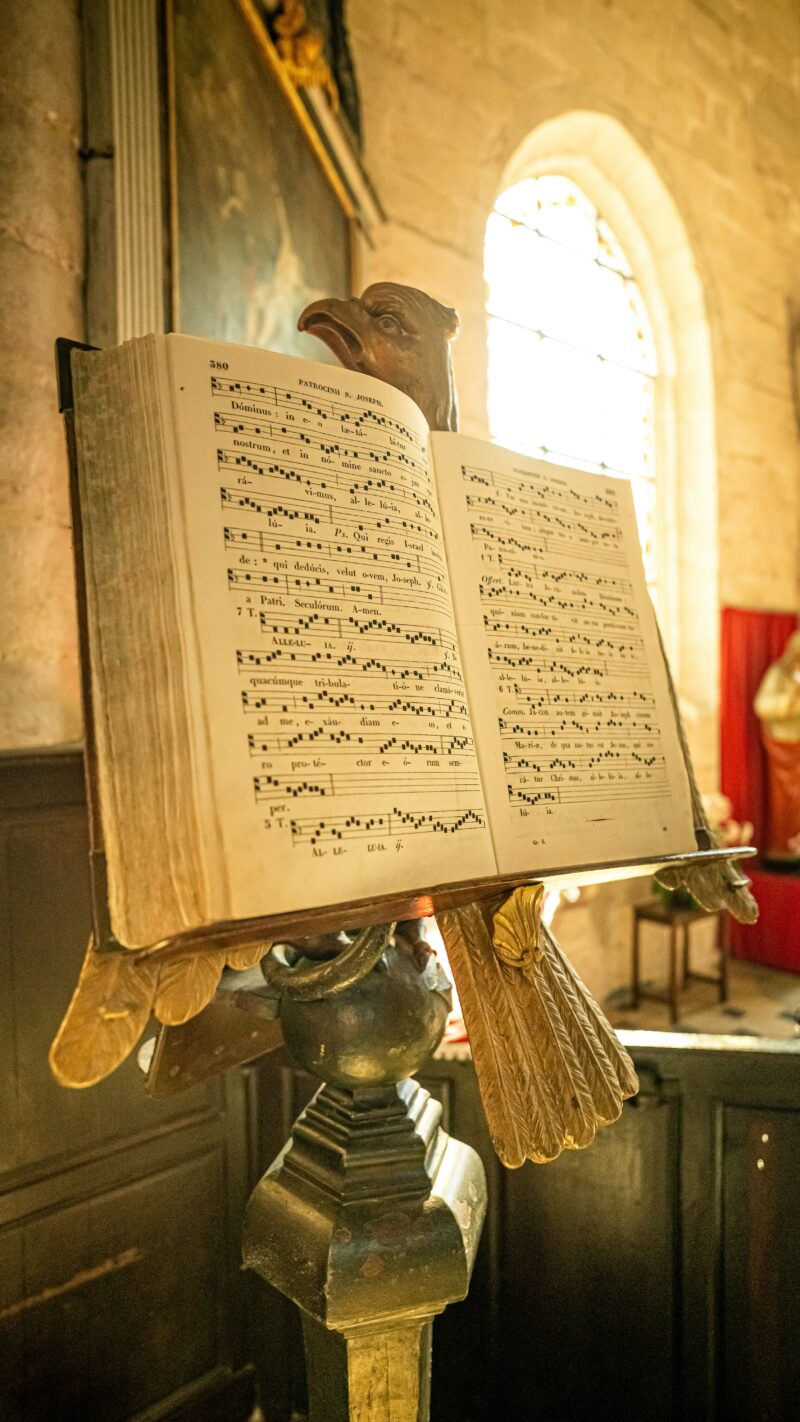
Through a gradual, practice-oriented approach, participants will become familiar with the fundamental elements of Gregorian notation, including the four-line staff, clefs, simple and compound neumes, the principal rhythmic signs, expressive markings, and the interpretative principles that transform notation into a living musical practice.
Each topic will be explored through the analysis and performance of well-known chants from the Gregorian repertoire, carefully selected for their pedagogical value as well as their liturgical and musical significance. Examples may include Ubi caritas, Salve Regina, Puer natus est, Victimae paschali laudes, Veni Creator Spiritus, together with other chants representing the principal seasons of the liturgical year.
Particular attention will be devoted to the relationship between the Latin text and the melody, ecclesiastical Latin pronunciation, musical phrasing, and the liturgical context of the repertoire, enabling participants to approach Gregorian notation not merely as a writing system but as a means of expressive and informed musical interpretation.
Choir directors, singers, organists, music students, music educators, seminarians, liturgical cantors, animators and anyone wishing to acquire a foundational knowledge of Gregorian chant notation. No previous experience with Gregorian notation is required but a basic knowledge of music is essential.
Target Audience Age: 18+
The course will take place on Wednesdays from 7:30pm to 9:30pm (CET).
The course will be delivered online via Zoom only
| Date | Session |
| 7th October 2026 | Introduction to Gregorian Chant |
| 14th October 2026 | The Language of Gregorian Notation |
| 21st October 2026 | Reading the Neumes |
| 28th October 2026 | From Notation to Performance |
| 4th November 2026 | Exploring the Repertoire |
| 11th November 2026 | Guided Reading and Practice |
This course has two exit certificate options:
- Certificate of Attendance
To obtain a Certificate of Attendance, students must attend 80% of course contact hours.
2. Certificate of Achievement
To obtain a Certificate of Achievement, students must fulfil the criteria for a certificate of attendance and successfully pass an assessment at the end of the course.
Language: Participants must have a primary level understanding of English.
Digital: Participants must know how to access the internet.