


Archives

The Pastoral Worker in Today’s World

  Iklin Centre

This short course offers an engaging introduction to the mission and ministry of volunteering within a Catholic parish in the context of Maltese society. It explores the spiritual foundations, practical responsibilities, and community impact of parish service. Designed for pastoral workers, the course deepens understanding of their role in supporting and animating parish life, and offers guidance for serving effectively, faithfully, and collaboratively in the Church’s mission.

Iklin Parish Pastoral Workers

Target Audience Age: 18+

The course will take place on Tuesdays from 6:45pm to 8:15pm at Iklin Centre.

DateSession
30th June 2026Called to Serve – The Spiritual Heart of Volunteering
7th July 2026The Life of the Parish –Building Community & Collaboration  
14th July 2026Ethics, Boundaries, and Responsibility
21st July 2026Artificial Intelligence in the Pastoral Context
28th July 2026Formation and Spiritual Growth 

This course has three exit certificate options:

1. Certificate of Attendance

The student will receive a Certificate of Attendance when attending a minimum of 80% of all contact hours for this course.

2. Certificate of Participation

The student will receive a Certificate of Participation when attending a minimum of 80% of all contact hours for this course and pass from a short multiple-choice exam.

3. Certificate of Achievement

To obtain a Certificate of Achievement, students must attend a minimum of 80% of all contact hour and pass from a short multiple-choice exam and an assignment.

Language: Applicants must be proficient in both Maltese and English.

Digital: Applicants must be digitally literate particularly, in use of office suites and internet access.

A Merciful Heart and Mind (in a Parish context)

This course introduces diaconia as the Church’s mission of service within parish life. Participants will explore practical and concrete ways of responding to human need through charity, solidarity, and pastoral care. The course equips participants with tools to plan, coordinate, and sustain parish-based diaconia rooted in Gospel values and lived faith.

All interested but especially Diakonia Pastoral Workers in a parish context.

Target Audience Age: 18+

The course will take place on Wednesdays from 6:00pm to 8:00pm at Ta’ Mlit Pastoral Centre, Mosta

Students can join online via Zoom

DateSession
2nd September 2026Diaconia as one of the four pillars of the Catholic faith
9th September 2026Diaconia as an integral part of the life of the Saints 
16th September 2026Diaconia as an integral part of the life of the Saints 
23rd SeptemberBoundaries and Mercy in Real Life
30th September6 – 7pm – Co-Responsibility and Working Together in the Parish
7 – 8pm – Building a merciful parish. 

This course has three exit certificate options:

1. Certificate of Attendance

The student will receive a Certificate of Attendance when attending a minimum of 80% of all contact hours for this course.

2. Certificate of Participation

The student will receive a Certificate of Participation when attending a minimum of 80% of all contact hours for this course and pass from a short multiple-choice exam.

3. Certificate of Achievement

To obtain a Certificate of Achievement, students must attend a minimum of 80% of all contact hour and pass from a short multiple-choice exam and an assignment.

Language: Applicants must be proficient in both Maltese and English.

Digital: Applicants must be digitally literate particularly, in use of office suites and internet access.

Running, Returning, Renewed: A Journey Through Jonah

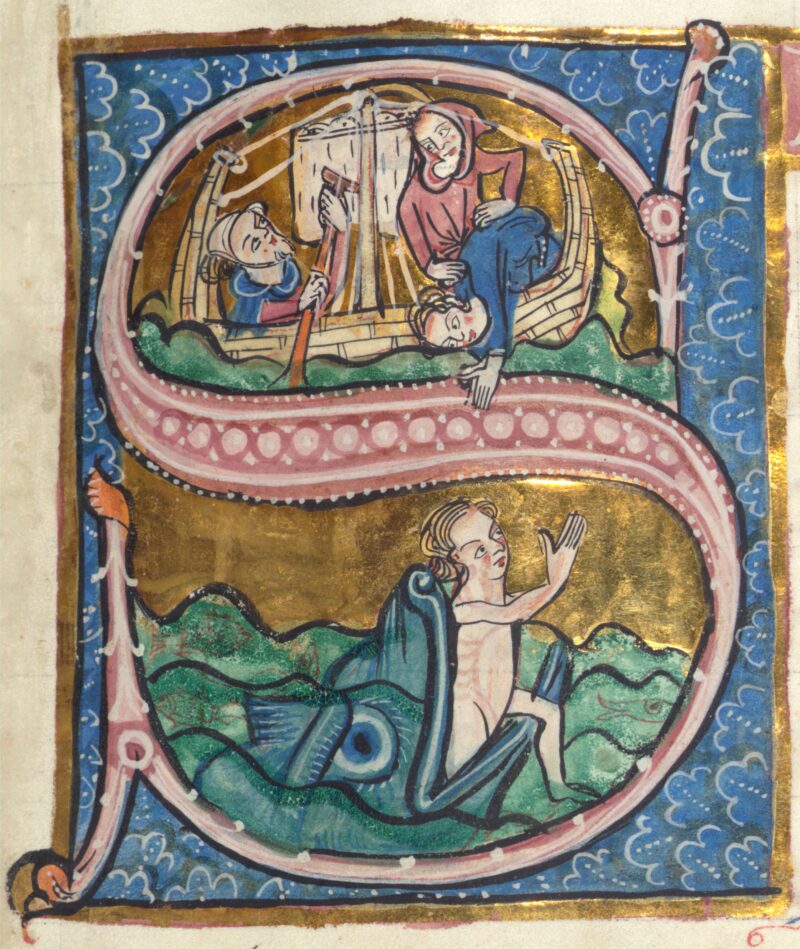
This verse‑by‑verse study of the Book of Jonah examines the text in its historical, literary, and theological context. Participants will analyse Jonah’s call, his resistance, the narrative’s use of irony, the response of the sailors and the Ninevites, and God’s final challenge to the prophet. The course also considers how Jonah is referenced in the New Testament to understand how early Christian interpretation engaged with this story. The aim is to provide a clear, structured exploration of the book’s themes, its portrayal of divine mercy and human reluctance, and its ongoing relevance for readers today.

This course is suitable for pastoral workers helping in the Ministry of the Word. It is also ideal for people who would like to delve deeper in knowledge about Jonah and all Christians who would like to continue to invest in their relationship with God.

Target Audience Age: 18+

The course will take place on Wednesdays from 6:00pm to 8:00pm at Ta’ Mlit Pastoral Centre, Mosta

Students can join online via Zoom

DateSession
8th July 2026Jonah 1-2
15th July 2026Jonah 3-4
22nd July 2026Jonah in the NT

This course has three exit certificate options:

1. Certificate of Attendance

The student will receive a Certificate of Attendance when attending a minimum of 80% of all contact hours for this course.

2. Certificate of Participation

The student will receive a Certificate of Participation when attending a minimum of 80% of all contact hours for this course and pass from a short multiple-choice exam.

3. Certificate of Achievement

To obtain a Certificate of Achievement, students must attend a minimum of 80% of all contact hour and pass from a short multiple-choice exam and an assignment.

Language: Applicants must be proficient in both Maltese and English.

Digital: Applicants must be digitally literate particularly, in use of office suites and internet access.
Award in Safeguarding Children and Vulnerable Adults for UoM Chaplaincy

  University Chaplaincy, Imsida
MQF

The Pastoral Formation Institute is licensed by MFHEA
(Licence #: 2013-FHI-028) as a Further and Higher Educational Institute. The Award in Safeguarding Children and Vulnerable Adults is accredited at EQF/MQF Level 4, as a Higher Education Programme.

The short course – Safeguarding Children and Vulnerable Adults will assist staff and volunteers in recognising the key principles of safeguarding and in creating a safe environment for children, young people and vulnerable adults.

Those attending University of Malta chaplaincy

June – July 2026
Lecturing Period
Mode of DeliveryDate & TimeVenue
In-person27th June 2026
from 9:30am to 12:30pm
University Chaplaincy, Imsida
Recorded Material27th June 2026 – 11th July 2026Recorded videos will be accessible online via our Moodle VLE platform
Assessment Period
AssessmentAvailable FromDue by
Short Multiple-Choice Online Exam27th June 202611th July 2026
Reflective Journal27th June 202627th July 2026
LO1 – Competence

By the end of the programme, the learner will have acquired a good enough combination of the below mentioned skills and knowledge, so much so that s/he will be competent enough to provide an emotionally, mentally and spiritually safe working environment for children and/or vulnerable adults; can recognise and deal with different signs of abuse; can comply with national laws, policies and procedures concerning safeguarding and can refer and collaborate with professionals in the field to ensure that the person in question is not being abused.

LO2 – Knowledge

By the end of the programme, the learner will be able to: a) identify the principles of safeguarding; b) familiarise himself/herself with safeguarding policies; c) identify signs and symptoms of different types of abuse; d) know the disclosures of abuse; e) know the legal obligations related to the Protection of Minors; (Registration) Act (2011) and the Minor Protection (Alternative Care) Act (2019).

LO3 – Skill

By the end of the programme, the learner will be able to: a) practice the principles of safeguarding; b) practice professional boundaries; c) use a standard response to a disclosure of abuse; d) be able to recognise signs and symptoms of different types of abuse; e) identify the actions to take if you have a concern and also identify who can help;

This course has three exit certificate options: 

  1. Certificate of Attendance

A Certificate of Attendance will be awarded to students who:

  • attend the in‑person session,
  • watch all the recorded material, and
  • do not submit any course assessments.
  1. Certificate of Participation 

A Certificate of Participation will be rewarded to students who:

  • attend the in‑person session,
  • watch all the recorded material, and
  • submit and pass a short online multiple‑choice examination
  1. Certificate of Achievement 

A Certificate of Achievement is awarded to students who successfully concluded the course, that is;

  • attending the in‑person lecture and completing all online videos,
  • submit and pass a short online multiple‑choice examination
  • submit and pass a short reflective journal.

Students who obtain the Certificate of Achievement will also receive an MFHEA‑recognised certificate and transcript at MQF Level 4 (1 ECTS credit).

Click here to view the PFI’s Grading System

Awarding Body: Pastoral Formation Institute

There are no qualifications required for this course. The only requisites are:

Language competences: The student is required to have an end of primary school level of understanding of Maltese and English.

Digital competences: The student is required to be digitally literate, including knowing how to access the internet and use a word processor.

This course is mandatory requirement for all staff and volunteers working for the Church in Malta and part of the Safeguarding Clearance Certificate.

Award in Safeguarding Children and Vulnerable Adults for Mosta Parish

  Oratorju Qalb Ta' Ġesù, Mosta
MQF

The Pastoral Formation Institute is licensed by MFHEA
(Licence #: 2013-FHI-028) as a Further and Higher Educational Institute. The Award in Safeguarding Children and Vulnerable Adults is accredited at EQF/MQF Level 4, as a Higher Education Programme.

The short course – Safeguarding Children and Vulnerable Adults will assist staff and volunteers in recognising the key principles of safeguarding and in creating a safe environment for children, young people and vulnerable adults.

Parishioners of Mosta Parish

May – June 2026
Lecturing Period
Mode of DeliveryDate & TimeVenue
In-person27th June 2026
from 9:30am to 12:30pm
Oratorju Qalb ta’ Ġesù, Mosta
Recorded Material27th June 2026 – 11th July 2026Recorded videos will be accessible online via our Moodle VLE platform
Assessment Period
AssessmentAvailable FromDue by
Short Multiple-Choice Online Exam27th June 202611th July 2026
Reflective Journal27th June 202627th July 2026
LO1 – Competence

By the end of the programme, the learner will have acquired a good enough combination of the below mentioned skills and knowledge, so much so that s/he will be competent enough to provide an emotionally, mentally and spiritually safe working environment for children and/or vulnerable adults; can recognise and deal with different signs of abuse; can comply with national laws, policies and procedures concerning safeguarding and can refer and collaborate with professionals in the field to ensure that the person in question is not being abused.

LO2 – Knowledge

By the end of the programme, the learner will be able to: a) identify the principles of safeguarding; b) familiarise himself/herself with safeguarding policies; c) identify signs and symptoms of different types of abuse; d) know the disclosures of abuse; e) know the legal obligations related to the Protection of Minors; (Registration) Act (2011) and the Minor Protection (Alternative Care) Act (2019).

LO3 – Skill

By the end of the programme, the learner will be able to: a) practice the principles of safeguarding; b) practice professional boundaries; c) use a standard response to a disclosure of abuse; d) be able to recognise signs and symptoms of different types of abuse; e) identify the actions to take if you have a concern and also identify who can help;

This course has three exit certificate options: 

  1. Certificate of Attendance

A Certificate of Attendance will be awarded to students who:

  • attend the in‑person session,
  • watch all the recorded material, and
  • do not submit any course assessments.
  1. Certificate of Participation 

A Certificate of Participation will be rewarded to students who:

  • attend the in‑person session,
  • watch all the recorded material, and
  • submit and pass a short online multiple‑choice examination
  1. Certificate of Achievement 

A Certificate of Achievement is awarded to students who successfully concluded the course, that is;

  • attending the in‑person lecture and completing all online videos,
  • submit and pass a short online multiple‑choice examination
  • submit and pass a short reflective journal.

Students who obtain the Certificate of Achievement will also receive an MFHEA‑recognised certificate and transcript at MQF Level 4 (1 ECTS credit).

Click here to view the PFI’s Grading System

Awarding Body: Pastoral Formation Institute

There are no qualifications required for this course. The only requisites are:

Language competences: The student is required to have an end of primary school level of understanding of Maltese and English.

Digital competences: The student is required to be digitally literate, including knowing how to access the internet and use a word processor.

This course is mandatory requirement for all staff and volunteers working for the Church in Malta and part of the Safeguarding Clearance Certificate.

Award in Safeguarding Children and Vulnerable Adults for Parish Priests

  Dar tal-Kleru, Birkirkara
MQF

The Pastoral Formation Institute is licensed by MFHEA
(Licence #: 2013-FHI-028) as a Further and Higher Educational Institute. The Award in Safeguarding Children and Vulnerable Adults is accredited at EQF/MQF Level 4, as a Higher Education Programme.

The short course – Safeguarding Children and Vulnerable Adults will assist staff and volunteers in recognising the key principles of safeguarding and in creating a safe environment for children, young people and vulnerable adults.

Parish Priests

May – June 2026
Lecturing Period
Mode of DeliveryDate & TimeVenue
In-person6th May 2026
from 9:30am to 12:30pm
Ta’ Mlit Pastoral Centre, Mosta
Recorded Material6th – 20th May 2026Recorded videos will be accessible online via our Moodle VLE platform
Assessment Period
AssessmentAvailable FromDue by
Short Multiple-Choice Online Exam6th May 202620th May 2026
Reflective Journal9th May 20269th June 2026
LO1 – Competence

By the end of the programme, the learner will have acquired a good enough combination of the below mentioned skills and knowledge, so much so that s/he will be competent enough to provide an emotionally, mentally and spiritually safe working environment for children and/or vulnerable adults; can recognise and deal with different signs of abuse; can comply with national laws, policies and procedures concerning safeguarding and can refer and collaborate with professionals in the field to ensure that the person in question is not being abused.

LO2 – Knowledge

By the end of the programme, the learner will be able to: a) identify the principles of safeguarding; b) familiarise himself/herself with safeguarding policies; c) identify signs and symptoms of different types of abuse; d) know the disclosures of abuse; e) know the legal obligations related to the Protection of Minors; (Registration) Act (2011) and the Minor Protection (Alternative Care) Act (2019).

LO3 – Skill

By the end of the programme, the learner will be able to: a) practice the principles of safeguarding; b) practice professional boundaries; c) use a standard response to a disclosure of abuse; d) be able to recognise signs and symptoms of different types of abuse; e) identify the actions to take if you have a concern and also identify who can help;

This course has three exit certificate options: 

  1. Certificate of Attendance

A Certificate of Attendance will be awarded to students who:

  • attend the in‑person session,
  • watch all the recorded material, and
  • do not submit any course assessments.
  1. Certificate of Participation 

A Certificate of Participation will be rewarded to students who:

  • attend the in‑person session,
  • watch all the recorded material, and
  • submit and pass a short online multiple‑choice examination
  1. Certificate of Achievement 

A Certificate of Achievement is awarded to students who successfully concluded the course, that is;

  • attending the in‑person lecture and completing all online videos,
  • submit and pass a short online multiple‑choice examination
  • submit and pass a short reflective journal.

Students who obtain the Certificate of Achievement will also receive an MFHEA‑recognised certificate and transcript at MQF Level 4 (1 ECTS credit).

Click here to view the PFI’s Grading System

Awarding Body: Pastoral Formation Institute

There are no qualifications required for this course. The only requisites are:

Language competences: The student is required to have an end of primary school level of understanding of Maltese and English.

Digital competences: The student is required to be digitally literate, including knowing how to access the internet and use a word processor.

This course is mandatory requirement for all staff and volunteers working for the Church in Malta and part of the Safeguarding Clearance Certificate.

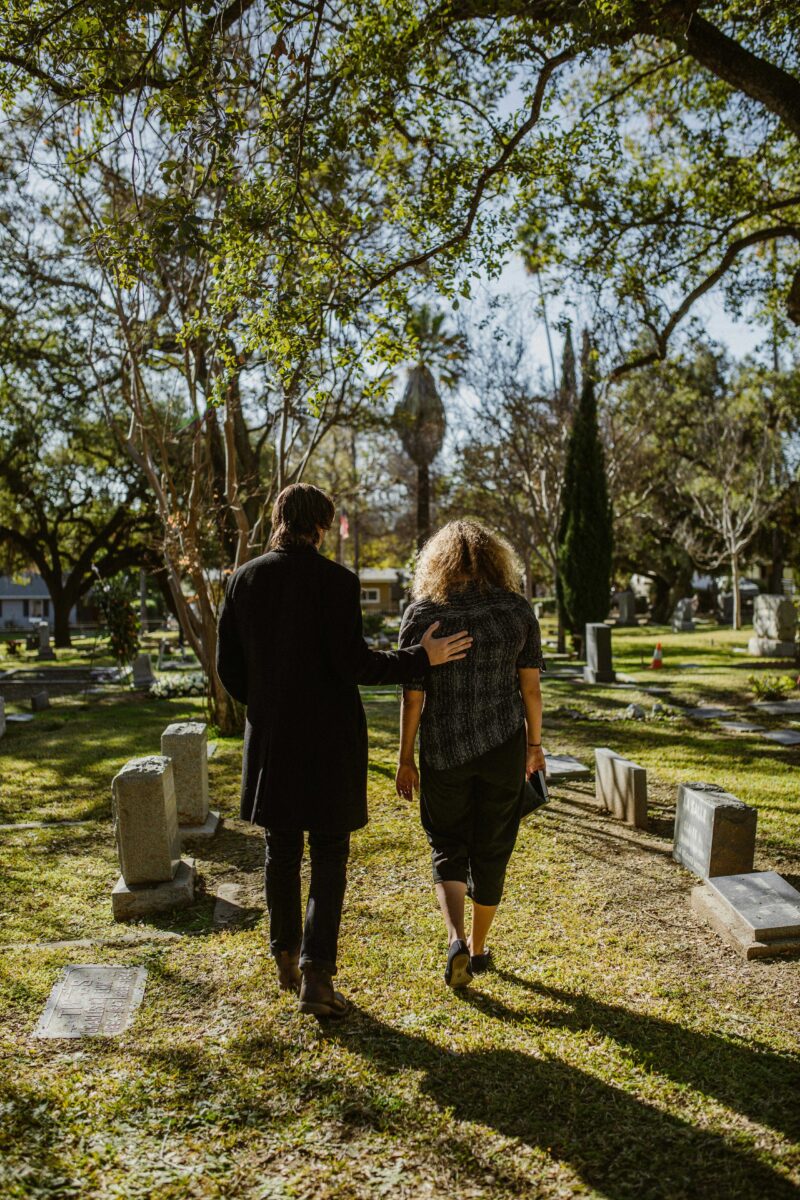
Walking with the Bereaved: Understanding Grief and Pastoral Care

  Dar Ommna Marija, Siġġiewi

This introductory course is designed for pastoral workers and lay people who assist the funeral arrangements and preparations within the parish together with individuals who offer support to mourning individuals. The course aims to equip participants with essential training and awareness to provide compassionate and emotionally sensitive support to grieving individuals.

This course is designed for pastoral workers who assist with funeral arrangements and preparations within the parish and other lay people who support mourning individuals.

Target Audience Age: 18+

The course will take place on Mondays from 6:00pm to 8:00pm

DateSession
18th May 2026Understanding Grief and Bereavement
25th May 2026Types of Dynamics of Grief
1st June 2026Grief in Families and Communities
8th June 2026Pastoral Accompaniment and Intervention
15th June 2026Walking with the Bereaved Beyond the Funeral

This course has three exit certificate options:

1. Certificate of Attendance

The student will receive a Certificate of Attendance when attending a minimum of 80% of all contact hours for this course.

2. Certificate of Participation

The student will receive a Certificate of Participation when attending a minimum of 80% of all contact hours for this course and pass from short multiple-choice exam.

3. Certificate of Achievement

To obtain a Certificate of Achievement, students must attend a minimum of 80% of all contact hour and pass from a short multiple-choice exam and an assignment.

Language: Applicants must be proficient in both Maltese and English.

Digital: Applicants must be digitally literate particularly, in use of office suites and internet access.

Introduction to Digital Presence

This course is eligible for the Get Formed! scheme, allowing students to reclaim 70% of their course fees upon completion. For more information, visit: https://pfi.edu.mt/get-formed/.

In a world shaped by clicks, screens, and shared stories, the digital landscape offers a vast frontier for evangelization, community-building, and meaningful dialogue. This course provides a structured practical pathway for pastoral workers and volunteers who will be guided through the key areas of the digital presence including understanding digital culture, the language used on social media, content creation, and building a sustainable web presence. This course is intended not only to pastoral workers and parish volunteers, but also to members of ecclesial entities and groups who are interested in digital ministry or currently contribute to their online presence—whether through websites or social media.

Pastoral workers and volunteers – not just the ones in parishes but other ecclesial entities and groups – who are interested in the subject or are involved in the entity’s digital presence (web or social).

Target Audience Age: 18+

Students have the option to join this course online via Zoom

DateSession
TBCUnderstanding the digital space and the importance of the Church’s digital presence
TBCUnderstanding the digital language, audiences and how to engage with them.
TBCYour voice on Social Media
TBCContent Creation – Part 1
TBCContent Creation – Part 2
TBCWeb Presence
TBCUnderstanding Reach and Engagement
TBCChurch structures and resources available for Church Entities

This course has three exit certificate options:

  1. Certificate of Attendance

To obtain a Certificate of Attendance, students must attend 80% of course contact hours. 

2. Certificate of Participation

To obtain a Certificate of Participation, students must attend 80% of course contact hours and pass from a short online assessment.

3. Certificate of Achievement 

To obtain a Certificate of Achievement, students must: 

  • attend 80% of course contact hours;  
  • pass from short online assessment
  • pass from a project

Language: Participants must have a primary level understanding of Maltese and English.

Digital: Participants must know how to access the internet and use office suites.

Il-Presepju: Sors ta’ Fidi għall-istudenti tal-PFI u operaturi pastorali

F’dan l-Avvent, b’mod speċjali fil-ġranet tan-Novena tal-Milied, nesploraw l-ispiritwalità li iġib magħha it-tradizzjoni sabiħa tal-Presepju. Permezz ta’ għarfien skritturali, nkunu mistiedna nirriflettu fuq is-simboliżmu qawwi tal-Presepju. Se nagħmlu dan ukoll bl-għajnuna ta’ Admirabile Signum, Ittra Appostolika ta’ Papa Franġisku fejn proprju jirrifletti fuq il-Presepju. Għalhekk waqt li narmaw il-Presepju, ejja ninżlu iktar fil-fond fil-fidi personali, il-ferħ u t-tama li jġib miegħu t-twelid tal-Messija.

Għall-istudenti tal-PFI li qed jagħmlu jew għamlu kors fis-sena skolastika 2025/2026 u operaturi pastorali.

Target Audience Age: 18+


Dan il-kors jinkludi sessjonijiet irreġistrati minn qabel, li jistgħu jiġu aċċessati fuq il-pjattaforma Moodle f’ħin tajjeb għalik. Dawn se jkopru t-temi li ġejjin:

• L-Istennija
• Il-Presepju
• Elementi mix-xeni tan-Nativita
• Marija
• Ġużeppi
• Ġesù
• Il-Maġi

Dan il-kors għandu ċertifikat wieħed:

1. Ċertifikat ta’ Attendenza

Sabiex jinkiseb Ċertifikat ta’ Attendenza, l-istudenti huma meħtieġa jaraw is-sessjonijiet kollha.

2. Ċertifikat ta’ Partiċipazzjoni

Sabiex jinkiseb Ċertifikat ta’ Partiċipazzjoni, l-istudenti huma meħtieġa jaraw is-sessjonijiet kollha u jgħaddu minn eżami multiple-choice qasir. Dan isir fuq il-pjattaforma tal-Moodle tal-istitut.

Lingwa: L-istudenti jeħtieġ li jkunu jafu l-Malti.

Teknoloġija diġitali: L-applikanti huma meħtieġa li jkunu jafu kif jaċċessaw l-internet.

Walking Together in Lent: Pastoral Pathways to Renewal

This course is eligible for the Get Formed! scheme, allowing students to reclaim 70% of their course fees upon completion. For more information, visit: https://pfi.edu.mt/get-formed/.

This short course is designed for parish leaders seeking to deepen the spiritual and communal impact of Lent within their communities. Through four focused sessions, participants will explore creative and mission-driven pastoral initiatives rooted in prayer, reconciliation, service, and outreach. The course emphasizes practical planning, collaboration, and spiritual leadership to help parishes journey meaningfully through Lent and into Easter.

Pastoral Leaders

Target Audience Age: 18+

The course will take place on Mondays and Wednesdays from 6:00pm to 8:00pm.

Students have the option to join this course online via Zoom.

DateSession
26th January 2026Rediscovering the Lenten Journey – A Pastoral Vision
28th January 2026Lent as a Time for Healing and Reconciliation
2nd February 2026Pastoral Creativity – Initiatives for Prayer, Fasting, and Almsgiving
4th February 2026Sustaining the Spirit – From Lent to Easter and Beyond

This course has two exit certificate options:

1. Certificate of Attendance

The student will receive a Certificate of Attendance when attending a minimum of 80% of all contact hours for this course

2. Certificate of Achievement

The student will receive a Certificate of Achievement when (in addition to meeting the attendance criteria above) they successfully complete a written assignment.

Language: Applicants must be proficient in both Maltese and English.

Digital: Applicants must be digitally literate particularly in the use of office suites and of the internet, to both of which they must have access.