

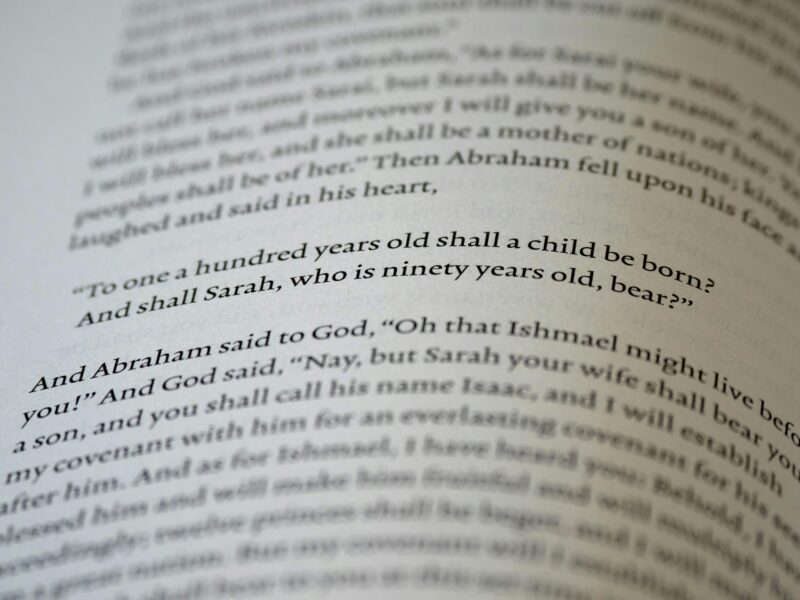
This six‑session course explores key psychological experiences through biblical figures from the Old and New Testaments. Participants examine themes such as facing uncertainty, forming identity, managing emotional exhaustion, healing through relationships, and learning from failure. Through the stories of figures like Abraham, Mary, Moses, Peter, Elijah, Ruth, and David, the sessions connect biblical narratives with psychological insights about human growth and resilience. The programme emphasises how trust reduces anxiety, responsibility shapes identity, rest restores balance, relationships foster healing, and forgiveness transforms shame into personal growth. Participants are encouraged to reflect on their own experiences and develop healthier ways of responding to life’s challenges.
Ideal for people who would like to delve deeper into the psychological themes in the Bible; General Public.
Target Audience Age: 18+
The course will take place on Wednesdays between 6:00pm – 8:00pm at
Ta’ Mlit Pastoral Centre, Mosta
Students can join online via Zoom
| Date | Session |
| 7th April 2027 | The Bible as a Mirror of the Human Heart (Introduction) |
| 14th April 2027 | Facing the Unknown |
| 21st April 2027 | Identity and Self-Doubt |
| 28th April 2027 | Burnout and Emotional Exhaustion |
| 5th May 2027 | Healing Through Relationship |
| 12th May 2027 | Failure, Shame, and Restoration |
This course has three exit certificate options:
1. Certificate of Attendance
The student will receive a Certificate of Attendance when attending a minimum of 80% of all contact hours for this course.
2. Certificate of Participation
The student will receive a Certificate of Participation when attending a minimum of 80% of all contact hours for this course and pass from a short multiple-choice exam.
3. Certificate of Achievement
To obtain a Certificate of Achievement, students must attend a minimum of 80% of all contact hour and pass from a short multiple-choice exam and an assignment.
Language: Applicants must be proficient in both Maltese and English.
Digital: Applicants must be digitally literate particularly, in use of office suites and internet access.