


Archives

Award in Safeguarding Children and Vulnerable Adults

MQF

The Pastoral Formation Institute is licensed by MFHEA
(Licence #: 2013-FHI-028) as a Further and Higher Educational Institute. The Award in Safeguarding Children and Vulnerable Adults is accredited at EQF/MQF Level 4, as a Higher Education Programme.


The short course – Safeguarding Children and Vulnerable Adults will assist staff and volunteers in recognising the key principles of safeguarding and in creating a safe environment for children, young people and vulnerable adults.

Employees and volunteers working with children and vulnerable adults and handling their data.

May – June 2026
Lecturing Period
Mode of DeliveryDate & TimeVenue
In-person9th May 2026
from 9:00am to 12:00pm
Ta’ Mlit Pastoral Centre, Mosta
Recorded Material9th – 23rd May 2026Recorded videos will be accessible online via our Moodle VLE platform
Assessment Period
AssessmentAvailable FromDue by
Short Multiple-Choice Online Exam9th May 202623rd May 2026
Reflective Journal9th May 20269th June 2026
LO1 – Competence

By the end of the programme, the learner will have acquired a good enough combination of the below mentioned skills and knowledge, so much so that s/he will be competent enough to provide an emotionally, mentally and spiritually safe working environment for children and/or vulnerable adults; can recognise and deal with different signs of abuse; can comply with national laws, policies and procedures concerning safeguarding and can refer and collaborate with professionals in the field to ensure that the person in question is not being abused.

LO2 – Knowledge

By the end of the programme, the learner will be able to: a) identify the principles of safeguarding; b) familiarise himself/herself with safeguarding policies; c) identify signs and symptoms of different types of abuse; d) know the disclosures of abuse; e) know the legal obligations related to the Protection of Minors; (Registration) Act (2011) and the Minor Protection (Alternative Care) Act (2019).

LO3 – Skill

By the end of the programme, the learner will be able to: a) practice the principles of safeguarding; b) practice professional boundaries; c) use a standard response to a disclosure of abuse; d) be able to recognise signs and symptoms of different types of abuse; e) identify the actions to take if you have a concern and also identify who can help;

This course has three exit certificate options: 

  1. Certificate of Attendance

A Certificate of Attendance will be awarded to students who:

  • attend the in‑person session,
  • watch all the recorded material, and
  • do not submit any course assessments.
  1. Certificate of Participation 

A Certificate of Participation will be rewarded to students who:

  • attend the in‑person session,
  • watch all the recorded material, and
  • submit and pass a short online multiple‑choice examination
  1. Certificate of Achievement 

A Certificate of Achievement is awarded to students who successfully concluded the course, that is;

  • attending the in‑person lecture and completing all online videos,
  • submit and pass a short online multiple‑choice examination
  • submit and pass a short reflective journal.

Students who obtain the Certificate of Achievement will also receive an MFHEA‑recognised certificate and transcript at MQF Level 4 (1 ECTS credit).

Click here to view the PFI’s Grading System

Awarding Body: Pastoral Formation Institute

There are no qualifications required for this course. The only requisites are:

Language competences: The student is required to have an end of primary school level of understanding of Maltese and English.

Digital competences: The student is required to be digitally literate, including knowing how to access the internet and use a word processor.

This course is mandatory requirement for all staff and volunteers working for the Church in Malta and part of the Safeguarding Clearance Certificate.


Masterclass 4 – Technique of Choral Singing (for adult voices)

  Archbishop's Seminary

This masterclass offers basic and more advanced vocal technique required from a chorister involved in the field of sacred and liturgical music.  

Basic musical knowledge would be considered an asset but not mandatory.

This course is intended for choristers and choir masters involved in the field of sacred and liturgical choral music. Basic musical knowledge would be considered an asset but not mandatory.

This masterclass will be delivered by Prof. Catharina Scharp (AERCO Academy Bologna, freelance voice teacher) as follows:

DateSession
Monday 13th October 2025*
from 6:00pm – 9:00pm
Session 1
Tuesday 14th October 2025*
from 6:00pm – 9:00pm
Session 2

*Previously, these sessions were combined into a single session held on 11th October 2025, from 9:00am to 4:00pm.

All participants in this course will receive a certificate of attendance (AFF Level 3) issued by the Pastoral Formation Institute in collaboration with the Academy of Sacred Music Francesco Azopardi and AERCO Academy (Bologna).


Masterclass 3 – Introduction to Sacred Polyphony

  Archbishop's Seminary

This masterclass offers an overview of the history of sacred polyphony, the development of mensural notation, imitation and independence of voices, the interpretation of texts, the role of polyphony within the Catholic liturgy, and the influence of the great masters of polyphony (such as Palestrina, de Victoria…) on church music, and interpretation of polyphonic music (involves the active participation of attendees).

Basic musical knowledge would be considered an asset but not mandatory.

This course is intended for choristers, choir masters, and anyone who is interested in the sacred polyphony music of the Renaissance and Baroque periods. Basic musical knowledge would be considered an asset for the practical session of the masterclass.

This masterclass will be delivered by Prof. Andrea Angelini (AERCO Academy Bologna, Professor of Choral Conducting at Venezia State Conservatory ‘Benedetto Marcello’) on 27th September 2025 as follows:

9:00am – 12:00pm – Session 1

12:00pm – 1:30pm – Lunch Break*

1:30pm – 4:30pm – Session 2

*If you have any food allergies/intolerances, kindly send us an email on [email protected].

All participants in this course will receive a certificate of attendance (AFF Level 3) issued by the Pastoral Formation Institute in collaboration with the Academy of Sacred Music Francesco Azopardi and AERCO Academy (Bologna).


If you have any food allergies/intolerances, kindly send us an email on [email protected].

Masterclass 2 – Conducting for Maestri di Cappella

  Archbishop's Seminary

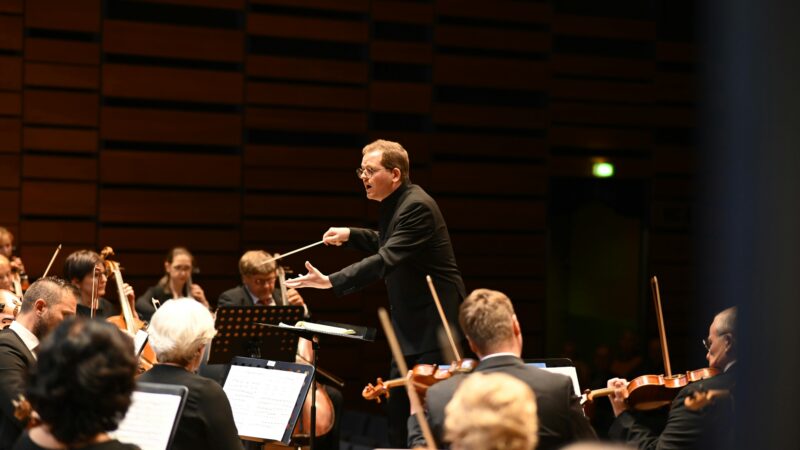
This masterclass shall offer a technical insight in the art of conducting, focusing on the technical aspects of conducting (orchestras, choirs, and soloists), rehearsal techniques, and achieving the best results particularly in the context of church music during Maltese festas. Participants will be working with a live orchestra on repertoire that is typical of local festa liturgical music.

Advanced musical knowledge (at least diploma level) is required. Please submit a copy of your highest musical qualification with your application form below.

This course is intended for conductors who are already involved or would like to be involved as Maestro di Cappella in local parishes.

Advanced musical knowledge (at least diploma level) is required. Please submit a copy of your highest musical qualification with your application form below.

This masterclass will be delivered by Prof. Juan Jose Navarro (University of Almeria) on 28th June 2025 as follows:

9:00am – 12:00pm – Session 1

12:00pm – 1:30pm – Lunch Break*

1:30pm – 4:30pm – Session 2

*If you have any food allergies/intolerances, kindly send us an email on [email protected].

All participants in this course will receive a certificate of attendance (AFF Level 3) issued by the Pastoral Formation Institute in collaboration with the Academy of Sacred Music Francesco Azopardi.


If you have any food allergies/intolerances, kindly send us an email on [email protected].

Masterclass 1 – Introduction to Gregorian Chant

  Archbishop's Seminary

This masterclass offers an overview of the history and development of Gregorian Chant, an introduction to notation and the interpretation of neumes, the church modes, the different types of chants used in the Catholic liturgy (psalms, hymns, masses), and the role of Gregorian chant within the Catholic liturgy.

Basic musical knowledge would be considered an asset but not mandatory.

Choristers, choir masters, and anyone who is interested in the ancient sacred artform of Gregorian Chant. Basic musical knowledge would be considered an asset but not mandatory.

This masterclass will be delivered by Prof. Luca Buzzavi (AERCO Academy Bologna, Professor of Choral Conducting at Monopoli State Conservatory ‘N. Rota’) on 24th May 2025 as follows:

9:00am – 12:00pm – Session 1

12:00pm – 1:30pm – Lunch Break*

1:30pm – 4:30pm – Session 2

*If you have any food allergies/intolerances, kindly send us an email on [email protected].

All participants in this course will receive a certificate of attendance (AFF Level 3) issued by the Pastoral Formation Institute in collaboration with the Academy of Sacred Music Francesco Azopardi and AERCO Academy (Bologna).


If you have any food allergies/intolerances, kindly send us an email on [email protected].

Award in Safeguarding Children and Vulnerable Adults – Santa Venera (MT)

  Santa Venera Parish
Safeguarding Others
MQF

The Pastoral Formation Institute is licensed by MFHEA
(Licence #: 2013-FHI-023) as a Further and Higher Educational Institute. The Award in Safeguarding Children & Vulnerable Adults is accredited at EQF/MQF Level 4, as Further Education Programme.

This short course will assist employees and volunteers who work with children and vulnerable adults or handle their data, to recognise the key principles of safeguarding and learn to create a safe environment for children, young people, and vulnerable adults.

The intended learning outcomes:

By the end of the course, students will be able to:

  1. familiarise themselves with safeguarding policies
  2. understand the legal obligations with child abuse
  3. identify signs and symptoms of abuse
  4. know the disclosures of abuse
  5. identify the principles of safeguarding
  6. practice professional boundaries
  7. know their legal obligations related to the Protection of Minors (Registration) Act (2011) and the Minors Protection Act (2019)
  8. learn about the different types of abuse and poor practice
  9. learn a standard response to a disclosure of abuse
  10. be able to recognise signs of abuse
  11. identify the actions to take if you have a concern and who can help

Santa Venera parishioners who work with children and vulnerable adults and handle their data.

CodeMode of DeliveryValue
PFE/SCA4-23Blended Learning1 ECTS

The course is delivered over 5 contact hours. These 5 hours are delivered over two sessions:

  1. 3 hours – In person session (Face-to-Face Learning)
  2. 2 hours – recorded material which can be accessed on the PFI`s Moodle Portal (Blended Learning)

Students will also be given additional reading material which they can read in their own time.

You may find all the dates in the Calendar section below.

Each course is delivered over two sessions; (a) 3-hour, in-person session and (b) 2 hours of recorded material which can be accessed on the PFI’s Moodle Portal.

May/June 2025
Lecturing Period
Mode of DeliveryDate & TimeVenue
In-person31st May 2025
from 9:00am – 12:00pm
Santa Venera Parish
Recorded Material1st June – 15th June 2025Recorded videos on the VLE platform
Assessment Period:
AssessmentAvailable FromDue by
Short Multiple-Choice Online Exam1st June 202515th June 2025
Reflective Journal1st June 20251st July 2025

This course has one exit certificate option: 

  1. Certificate of Achievement 

A Certificate of Achievement is awarded to students who;

  • attend in-person session and watch all recorded videos
  • complete and pass short multiple-choice online exam
  • submit a written assessment

Click here to view the PFI’s Grading System

EQF/MQF Level: Level 4

Accreditation Category: Further Education Programme

Total ECTS: 1 ECTS

Teaching Institutions: Safeguarding Commission together with Pastoral Formation Institute

Award Institution: Pastoral Formation Institute

MQF

The Pastoral Formation Institute is licensed by MFHEA
(Licence #: 2013-FHI-023) as a Further and Higher Educational Institute. The Award in Safeguarding Children & Vulnerable Adults is accredited at EQF/MQF Level 4, as Further Education Programme.

Qualifications: Every application will be considered on its individual merits. The Pastoral Formation Institute accepts a wide range of qualifications, and we always try to judge applications on the basis of academic potential. We do consider a very wide range of academic, vocational, and professional qualifications, as well as work and other appropriate experiences and skills.

Language: Primary level understanding of Maltese and English.

Digital: Knows how to access the internet and use a word processor.


For courses offered in face-to-face learning and Blended Learning, it is required that applicants reside in the Maltese Islands and use their Maltese address in their application form.

For further information regarding visa requirements, head to Identity Malta’s VISA requirement for third-country nationals.

Creative Ministry for Christian Outreach – Puppeteering, Storytelling, Scripting, and Science Experiments


This course is eligible for the Get Formed! scheme, allowing students to reclaim 70% of their course fees upon completion. For more information, visit: https://pfi.edu.mt/get-formed/.

The starting date was changed to 5th January 2026.

This interactive in-person course is designed to equip participants with creative tools to engage and inspire audiences through puppeteering, storytelling, scripting, and science experiments. Rooted in Christian principles, the course integrates hands-on learning to help participants effectively share biblical messages and Christian values in dynamic and memorable ways. Each lecture provides a practical and immersive experience that fosters creativity, communication skills, and spiritual growth.

 • Sunday school teachers / catechists.

 • Youth group leaders.

 • Christian educators and parents.

 • Anyone interested in creative ministry tools.

This course consists of four lectures on Mondays and Wednesdays from 6:00pm till 8:00pm and a concluding seminar from 5:00pm till 8:00pm at Ta’ Mlit Pastoral Centre, Mosta.

DateSession
5th January 2026Puppeteering for Christian Ministry
7th January 2026Storytelling with a Christian Perspective
19th January 2026Scripting for Faith-Based Performances
21st January 2026Science Experiments as Biblical Illustrations
11th March 2026Seminar

This course has two exit certificate options:

1. Certificate of Attendance

The student will receive a Certificate of Attendance when attending a minimum of 80% of all contact hours of this course.

2. Certificate of Achievement

The student will receive a Certificate of Achievement when (in addition to meeting the attendance criteria above) they successfully completed the presentation and submitted a brief summary of the main points covered.

Language: Applicants must be proficient in both Maltese and English.

Digital: Applicants must be able to access the internet and use office suites.

Award in Foundations of Artificial Intelligence: Fundamentals and Applications for Educators

MQF

The Pastoral Formation Institute is licensed by MFHEA
(Licence #: 2013-FHI-028) as a Further and Higher Educational Institute. The Award in Foundations of Artificial Intelligence: Fundamentals and Applications for Educators is accredited at EQF/MQF Level 7, as a Higher Education Programme.

Students who successfully complete this course may apply for the Get Qualified Scheme which will enable them to benefit from a tax credit of 70% of the costs incurred (i.e. €119.00 will be refunded for this course).

This course provides foundational knowledge of frontier artificial intelligence technologies that will allow teachers and other community members to use and support the use of AI in educational applications in ways that are effective, safe, and ethical. The course will develop the skills necessary to support children in their interactions with AI. Graduates will be equipped to guide young learners through the ethical considerations, societal implications, and practical uses of AI, fostering informed and responsible engagement with these quickly evolving technologies. The course focuses on the latest advancements in generative AI for text, images, video, music, and speech. Foundational topics include how AI works, how these models are trained, their capabilities, limitations, safety, ethics, and implications for society. Graduates will learn about the AI technology landscape, main AI companies, latest models, and differences between AI models. They will engage with these technologies and discuss case studies and research that illustrate capabilities, limitations, challenges, promise and pitfalls of AI. Students will receive an introduction to prompt engineering, learn different ways of interacting with different AI technologies, and learn how AI can be used in applications, such as teaching, editing, programming, and general support for creative tasks. Graduates will also learn how different technologies can be used together. By the end of the course, graduates will have a sufficient understanding of how these technologies work, current cutting-edge technologies available and on the horizon, different ways AI is being used in an educational setting and by young people, how they can support young learners in engaging with AI, and the considerations and importance when using AI in a way that is safe, ethical, and effective.

This course is delivered by the Pastoral Formation Institute in collaboration with

London School of Artificial Intelligence.

Qualified educators and others interested in the subject.

Knowledge

  • Foundational AI Concepts: Understanding fundamental principles of AI, including development, training, and utilization across various domains (text, images, video, music, speech).
  • AI Technologies and Their Applications: In-depth knowledge of current AI technologies, prominent companies, latest models, and their applications in education.
  • Ethics and Safety in AI: Critical understanding of ethical considerations, including bias, privacy, transparency, and societal impacts.
  • AI’s Societal Implications: Exploration of AI’s broader societal implications, including disruptions to industries and ethical challenges.
  • Case Studies and Research in AI: Study of practical uses, limitations, and challenges of AI through case studies and current research.

Skills

  • AI Tool Use: Advanced skills in using various AI tools and technologies, including generative AI models.
  • Critical Analysis and Problem-Solving: Ability to analyze capabilities, limitations, and ethical considerations of AI, and solve complex problems related to AI implementation.
  • Communication and Collaboration: Effective communication of complex AI concepts to diverse audiences and collaboration with peers and professionals.
  • Data Interpretation and Decision-Making: Ability to gather, interpret, and utilize data related to AI usage in education for informed decision-making.
  • Ethical Implementation and Reflection: Ethical use of AI, reflective practice, and continuous evaluation of AI’s impact on education.
  • Creative and Innovative Use of AI: Creativity in applying AI technologies to enhance educational practices and exploring synergies between different AI technologies.

Competencies

  • AI Knowledge Application and Problem-Solving: Application of advanced AI knowledge to address challenges in educational settings and develop innovative solutions.
  • Ethical and Responsible AI Management: Commitment to ethical principles in managing AI projects, evaluating social and ethical implications.
  • Leadership and Collaboration in AI Education: Leading teams in adopting AI technologies, providing guidance, and fostering collaboration.
  • Ongoing Professional Development in AI: Continuous engagement in professional development to stay updated with AI advancements.
  • Strategic Management and Implementation of AI in Education: Planning, managing, and executing AI-related projects, balancing technical capabilities with social and moral considerations.

TBA

Students have the option to join this course online via Zoom

DateSession
TBAThe AI Landscape
TBAInteracting with AI
TBAStudent Safety in Using AI
TBAAI Ethics and Morality
TBAIntegration Strategy for AI in Education
TBAExamination

This course has one exit certificate option: 

Certificate of Achievement 

A Certificate of Achievement is awarded to students who attend a minimum of 80% of all contact hours and successfully pass the examination and written assignment.

Click here to view the PFI’s Grading System

EQF/MQF Level: 7

Accreditation Category: Further Education Programme

Total ECTS: 2

Contact Hours: 10

Self-Study Hours: 30

Self-Study Hours: 30

This course is delivered by the Pastoral Formation Institute in collaboration with London School of Artificial Intelligence.

MQF

The Pastoral Formation Institute is licensed by MFHEA
(Licence #: 2013-FHI-028) as a Further and Higher Educational Institute. The Award in Foundations of Artificial Intelligence: Fundamentals and Applications for Educators is accredited at EQF/MQF Level 7, as a Higher Education Programme.

Students who successfully complete this course may apply for the Get Qualified Scheme which will enable them to benefit from a tax credit of 70% of the costs incurred (i.e. €119.00 will be refunded for this course).

Qualifications: Applicants must possess a minimum of an MQF/EQF Level 6 or higher qualification. Kindly submit a copy of your highest qualification in the application form below.

Language: Applicants must have a basic understanding of Maltese and be proficient in English.

Digital: Applicants must be proficient in accessing and using the internet and office software suites.


For courses offered in face-to-face learning and blended learning, applicants must reside in the Maltese Islands and provide their Maltese address in their application form.

For further information regarding visa requirements, please refer to Identity Malta’s visa requirements for third-country nationals.

Il-Ġublew – Pellegrini tat-Tama għall-Parroċċa ta’ Santa Venera

  Parroċċa Santa Venera
Jubilee - Pilgrims of Hope

L-għan ta’ dan il-kors hu li jakkumpanja il-partiċipanti sabiex jippreparaw irwieħhom għall-Ġublew tat-Tama li ser isir fl-2025. Il-parteċipanti ser jesploraw l-għeruq bibbliċi tal-kliem ‘ġublew’, ‘tama’ u ‘pellegrinaġġ’. Ser jesploraw ukoll it-tagħlim tal-Papa Benedittu XVI u l-Papa Franġisku fuq it-Tama. Fl-aħħar, ser jaraw flimkien kif dan il-ġublew jista’ jiġi applikat fil-kuntest kontemporanju u fil-missjoni wiesgħa tal-Knisja. 

Parruċċani tal-Parroċċa ta’ Santa Venera

Eta tal-udjenza fil-mira: 18+

Dan il-kors ser isir kull nhar ta’ Tnejn bejn is-7:00pm – 9:00pm kif stipulat hawn taħt:

DateSession
5 ta’ Mejju 2025Introduzzjoni – Il-Ġublew fil-Kotba Mqaddsa
12 ta’ Mejju 2025Il-Pellegrinaġġ fil-Kotba Mqaddsa
19 ta’ Mejju 2025It-Tama fit-Testment il-Qadim
26 ta’ Mejju 2025It-Tama fit-Testment il-Ġdid u fl-Ewwel Komunitajiet Insara
2 ta’ Ġunju 2025It-Tama fil-kitba tal-Papiet

Dan il-kors għandu żewġ tipi ta’ ċertifikati:

1. Ċertifikat ta’ Attendenza

Sabiex tikseb Ċertifikat ta’ Attendenza, l-istudenti huma meħtieġa jattendu 80% tas-sessjonijiet tal-kors.

2. Ċertifikat ta’ Partiċipazzjoni

Sabiex tikseb Ċertifikat ta’ Partiċipazzjoni, l-istudenti huma meħtieġa jattendu 80% tas-sessjonijiet u jagħmlu eżami multiple-choice qasir online.

Lingwa: L-applikanti għandhom ikunu fluwenti fil-Malti u jkollom fehma tal-Ingliż.

Teknoloġija diġitali: L-applikanti huma meħtieġa li jkunu fluwenti fl-użu tad-dinja diġitali, inkluż li jkunu jafu kif jaċċessaw l-internet u jużaw office suites bħal Microsoft Word.

Award in Safeguarding Children and Vulnerable Adults – Curia Staff

  Archbishop's Curia
Safeguarding Others
MQF

The Pastoral Formation Institute is licensed by MFHEA
(Licence #: 2013-FHI-023) as a Further and Higher Educational Institute. The Award in Safeguarding Children & Vulnerable Adults is accredited at EQF/MQF Level 4, as Further Education Programme.

This short course will assist employees and volunteers who work with children and vulnerable adults or handle their data, to recognise the key principles of safeguarding and learn to create a safe environment for children, young people, and vulnerable adults.

The intended learning outcomes:

By the end of the course, students will be able to:

  1. familiarise themselves with safeguarding policies
  2. understand the legal obligations with child abuse
  3. identify signs and symptoms of abuse
  4. know the disclosures of abuse
  5. identify the principles of safeguarding
  6. practice professional boundaries
  7. know their legal obligations related to the Protection of Minors (Registration) Act (2011) and the Minors Protection Act (2019)
  8. learn about the different types of abuse and poor practice
  9. learn a standard response to a disclosure of abuse
  10. be able to recognise signs of abuse
  11. identify the actions to take if you have a concern and who can help
  • Curia employees who work with children and vulnerable adults
  • Curia employees who handle children and vulnerable adults’ data
CodeMode of DeliveryValue
PFE/SCA4-23Blended Learning1 ECTS

The course is delivered over 5 contact hours. These 5 hours are delivered over two sessions:

  1. 3 hours – In person session (Face-to-Face Learning)
  2. 2 hours – recorded material which can be accessed on the PFI`s Moodle Portal (Blended Learning)

Students will also be given additional reading material which they can read in their own time.

You may find all the dates in the Calendar section below.

Each course is delivered over two sessions; (a) 3-hour, in-person session and (b) 2 hours of recorded material which can be accessed on the PFI’s Moodle Portal.

September – October 2025
Lecturing Period
Mode of DeliveryDate & TimeVenue
In-personTuesday 16th September 2025 from 10:30am – 1:30pmArchbishop’s Curia
Recorded MaterialTuesday 16th September 2025 – Tuesday 30th September 2025Recorded videos on the VLE platform
Assessment Period:
AssessmentAvailable FromDue by
Short Multiple-Choice Online ExamTuesday 16th September 2025Tuesday 30th September 2025
Reflective JournalTuesday 16th September 2025Tuesday 16th October 2025

This course has three exit certificate options: 

  1. Certificate of Attendance

A Certificate of Attendance will be rewarded to students who have:

  • attended in-person session
  • watched all the recorded material
  • and did not submit any course assessments.
  1. Certificate of Participation 

A Certificate of Participation* will be rewarded to students who meet the attendance criteria and successfully conclude the course multiple choice test. (please check the calendar tab above for exam dates)

  1. Certificate of Achievement 

A Certificate of Achievement* is awarded to students who successfully concluded the course, that is;

  • meet the attendance criteria
  • sit and pass the short multiple-choice online exam (mentioned in point 2),
  • and also submit a written assessment

Click here to view the PFI`s Grading System

*To obtain a Certificate of Achievement or a Certificate of Participation, a student must; attend all the contact hours and successfully conclude the assessment/s.

EQF/MQF Level: Level 4

Accreditation Category: Further Education Programme

Total ECTS: 1 ECTS

Teaching Institutions: Safeguarding Commission together with Pastoral Formation Institute

Award Institution: Pastoral Formation Institute

MQF

The Pastoral Formation Institute is licensed by MFHEA
(Licence #: 2013-FHI-023) as a Further and Higher Educational Institute. The Award in Safeguarding Children & Vulnerable Adults is accredited at EQF/MQF Level 4, as Further Education Programme.

Qualifications: Every application will be considered on its individual merits. The Pastoral Formation Institute accepts a wide range of qualifications, and we always try to judge applications on the basis of academic potential. We do consider a very wide range of academic, vocational, and professional qualifications, as well as work and other appropriate experiences and skills.

Language: Primary level understanding of Maltese and English.

Digital: Knows how to access the internet and use a word processor.


For courses offered in face-to-face learning and Blended Learning, it is required that applicants reside in the Maltese Islands and use their Maltese address in their application form.

For further information regarding visa requirements, head to Identity Malta’s VISA requirement for third-country nationals.